Makers Journal: The Fermentation That Changes Everything
Why dough that rests for days tastes nothing like dough rushed through the mixer. What we learned watching local bakers work.
Six months of watching pizza come out of ovens across Manchester taught us something you cannot taste in a hurried batch: when a baker gives dough time, the dough gives back. We used to think the difference was in the flour, or the oven, or the hands that shaped it. All of that matters. But the moment that changes everything happens in the hours before the oven ever gets warm.
A dough that ferments slowly doesn't just taste better—it digests better, keeps longer, and browns more evenly in the heat.
This is the lesson we came back to again and again. One afternoon, we sat with a baker while he mixed dough at two in the afternoon, shaped it at five, and did not stretch it into pizza until late the next morning. The flour had time to hydrate fully. The yeast had time to work. By the time heat touched it, the dough was ready.
We watched this same pattern at three different pizza places around town. The bakers who took their time—the ones with dough in the cooler that had been there since yesterday morning—were the ones whose slices held up through a full workday lunch rush. Their dough was strong but supple, a living thing that had matured. The rushed batches, mixed that morning or even a few hours before the lunch service, started collapsing by afternoon. The texture broke down. The flavor faded. By day's end, those pizzas tasted like nothing much at all.

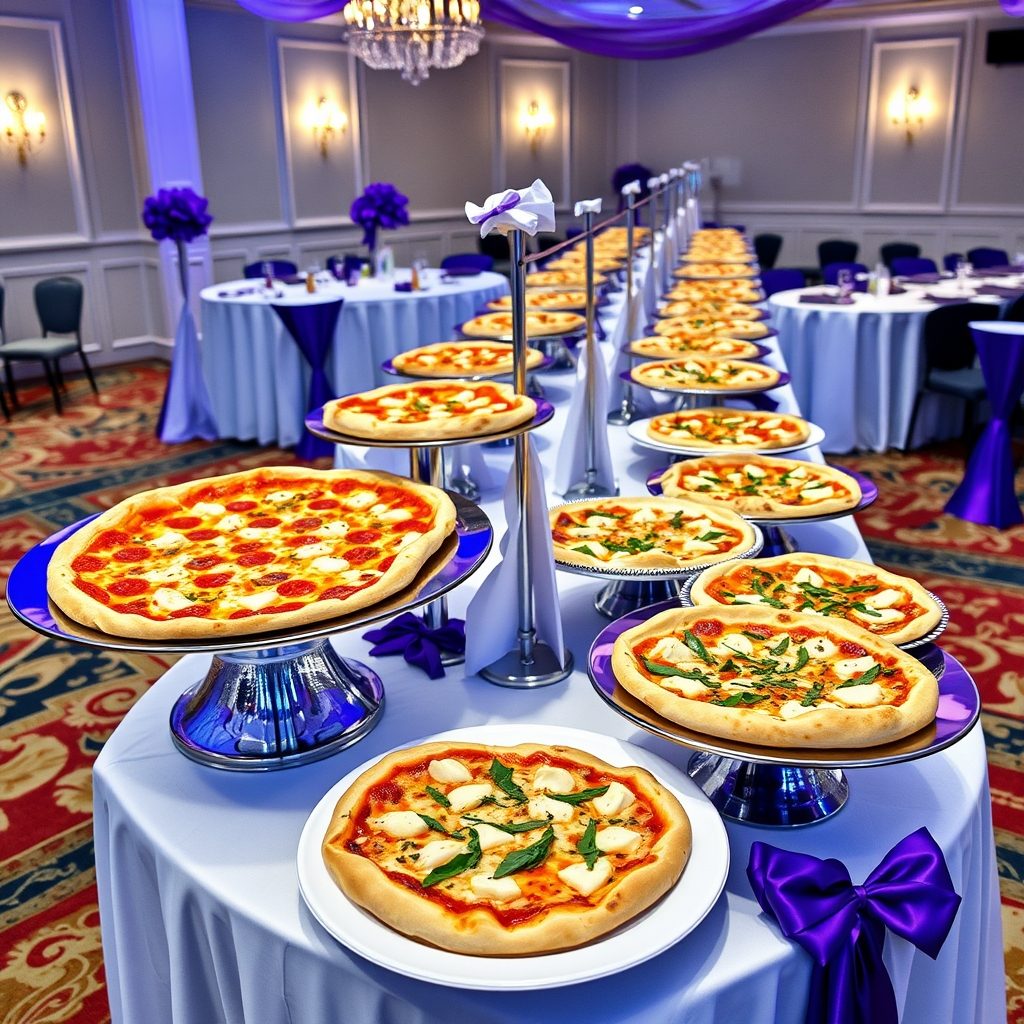
The three marks of a dough worth waiting for
It tastes like what it is
Slow fermentation builds flavor compounds. You taste wheat. You taste salt. You taste time. A dough rushed through the mixer tastes like dough. It tastes like a product. A dough that rested for sixteen hours tastes like bread. It tastes like something that grew. The yeast, the bacteria, the enzymes—they all had time to do their work, to transform flour and water into something with character.
It holds its shape without fighting back
Gluten needs time to relax. A tight dough springs back and won't stretch. It feels defensive. A fermented dough accepts your hands. The baker shapes it once, and it stays shaped. The dough has relaxed enough that you can stretch it into a circle without resistance. This matters when you are trying to make something beautiful, and it matters even more when you are making something fast. Less fighting means less wasted motion means better pizza.
It browns evenly without burning the bottom
Sugar from the fermentation caramelizes slowly. The crust colors golden—not pale, not charred, golden. The bottom does not char while the top waits. This is where fermentation earns its place. A rushed dough, low in sugars, does not brown evenly. Even heat, even browning, dough you actually want to eat. And that golden bottom? That is the sign you are in the right place.
Why time costs nothing and saves everything
| Quality | Rushed (2–3 hours) | Fermented (18–48 hours) |
|---|---|---|
| Flavor depth | Mild, wheaty | Complex, slightly tangy |
| Gluten structure | Tight, springs back | Relaxed, stretches easily |
| Crust browning | Uneven, sometimes pale | Golden and even |
| Digestibility | Heavy in the stomach | Easier to process |
| Shelf life | Stales within hours | Stays good through the next day |
| Time costs nothing. The ingredients are the same. The only input is patience, and the baker gains every advantage in the exchange. | ||
The numbers that prove the point
- 18 Minimum hours for flavor to develop
- 65 Percent water a fermented dough can hold (versus 60% rushed)
- 3 Days a fermented dough stays soft, versus 6 hours for dough made fresh
- 0 Extra ingredients needed—just time