Tasting Notes: What Makes Pizza Worth a Second Look
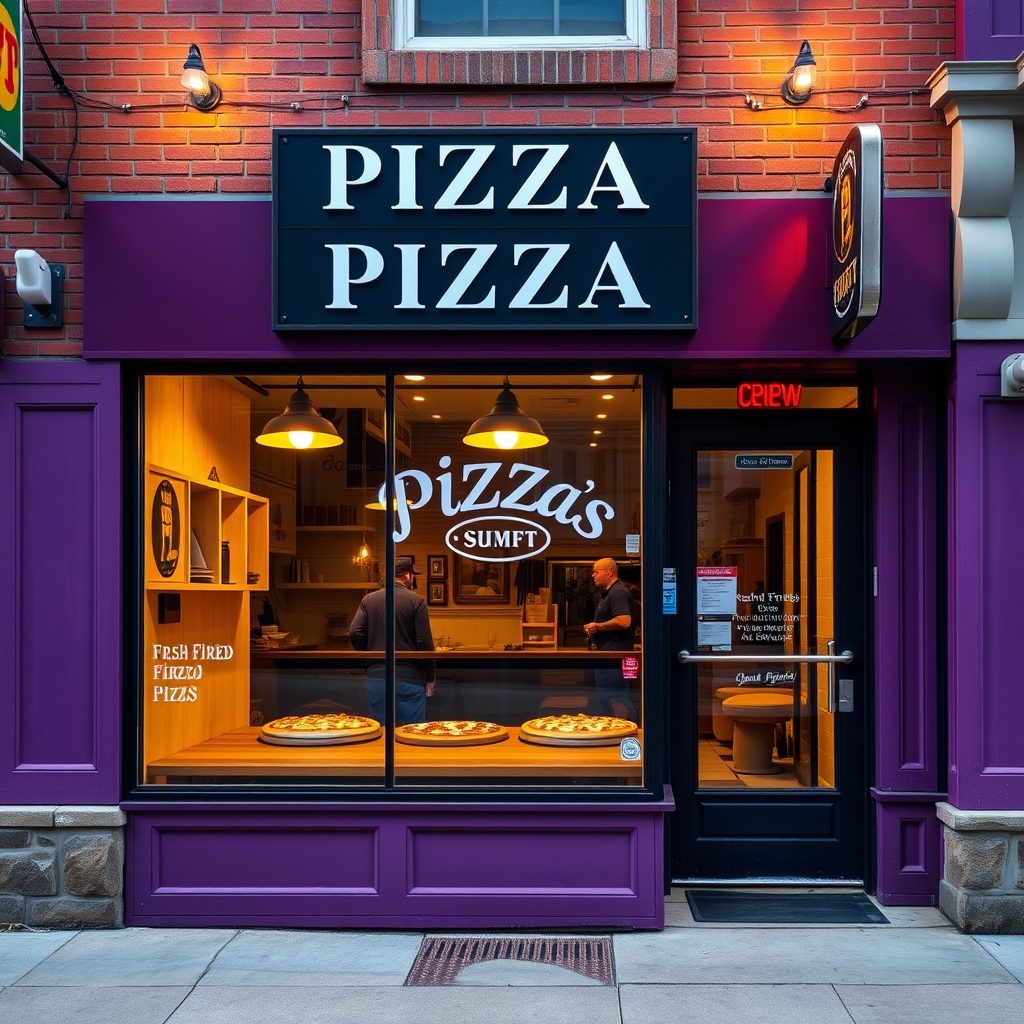
The difference between forgettable pizza and the kind you think about days later comes down to three things: the dough, the restraint, and the heat.
Anyone can flatten flour and cheese into circles. What separates the places we keep coming back to is the work that happened before the pizza ever touched a pan. We have spent enough time in kitchens and around tables to know what to look for, and we want to share what we have learned with neighbors who care about what they are eating.
The qualities we watch for
We watch for the same details every time we order. Does the dough have visible rise? The longer the ferment, the better the flavor and the easier it is for your body to digest. Rushed dough tastes thin, no matter how much seasoning gets piled on top. Good pizzerias let their dough sit for 36 hours or more, which means planning the pizza you will eat today was a decision made before yesterday's shift ended.
Next, we look at restraint. Too much cheese, too many toppings, a sauce that swallows everything — these are the marks of a place trying to hide something. The best pizza we have found trusts its dough and its heat. A simple red sauce, real mozzarella (not the pre-shredded kind), and toppings you can count on your fingers. We ask ourselves whether every ingredient on the slice is there because someone made a decision, or because it was the default.
Finally, the heat. Wood-fired ovens that hit 900 degrees, traditional brick ovens, or well-tuned deck ovens all produce something impossible in a regular oven: a crust with char on the outside and air in the crumb. That texture — crisp but yielding, with enough body to hold its shape but not so thick that it tastes like bread — tells you the kitchen knows what it is doing.
Five things to notice when you taste
The crust's edge
Where the crust got the most heat, at the rim of the pie. Does it have leopard spots? Can you fold a slice and have it hold? A properly fired pizza crust chars without burning, creating a texture that shatters in your mouth.
How it smells
Fermented dough, toasted flour, oregano, and something caramelized — these are the smells of pizza cooked right. If you mostly smell salt or tomato, it is likely a newer place still finding its rhythm with the recipe.
The cheese distribution
Is the mozzarella evenly spread, or bunched in spots? Good technique means consistent coverage. The cheese should brown and bubble, but not separate into pools of greasy oil.
The flavor timeline
What does it taste like when you first bite it, before the heat fades? Do the salt and acid of the sauce balance the richness? Does the dough taste like something, or is it just a vehicle? The first bite tells you whether someone was paying attention.
What your body does with it
Hours later, does your stomach thank you or regret you? Well-fermented dough and restrained toppings mean pizza that sits well. If you feel heavy or thirsty an hour later, the dough probably needed more time or the cheese was too heavy.
What the numbers tell us
- 36–72 hours
- The fermentation window for quality pizza dough. Cold ferment develops flavor and makes the dough easier to stretch and digest.
- 800–900°F
- The ideal oven temperature for Neapolitan pizza. This heat creates that crucial char on the crust and cooks the pizza in 60–90 seconds, keeping the interior soft while the exterior crisps.
- 3–5 ingredients
- The count on the pizza we keep thinking about. Flour, water, salt, yeast, maybe one topping — the best pizzerias build their reputation on simplicity and execution rather than novelty.
Why we recommend the places we do
They respect the dough
A pizzeria that plans days ahead and ferments its dough properly is already ahead of most others in the field. This single decision, made before you ever order, carries more weight than any ingredient upgrade.
Their process is visible
We trust places where you can see the pizza being made. An open kitchen, a skilled hand stretching dough, a calm approach to the oven — these details tell you the kitchen is confident in what it does.
They have stayed consistent
A restaurant that has been making the same pizza the same way for years, through ownership changes and supply challenges, has proven it understands what works. Consistency is how a pizza place earns trust.
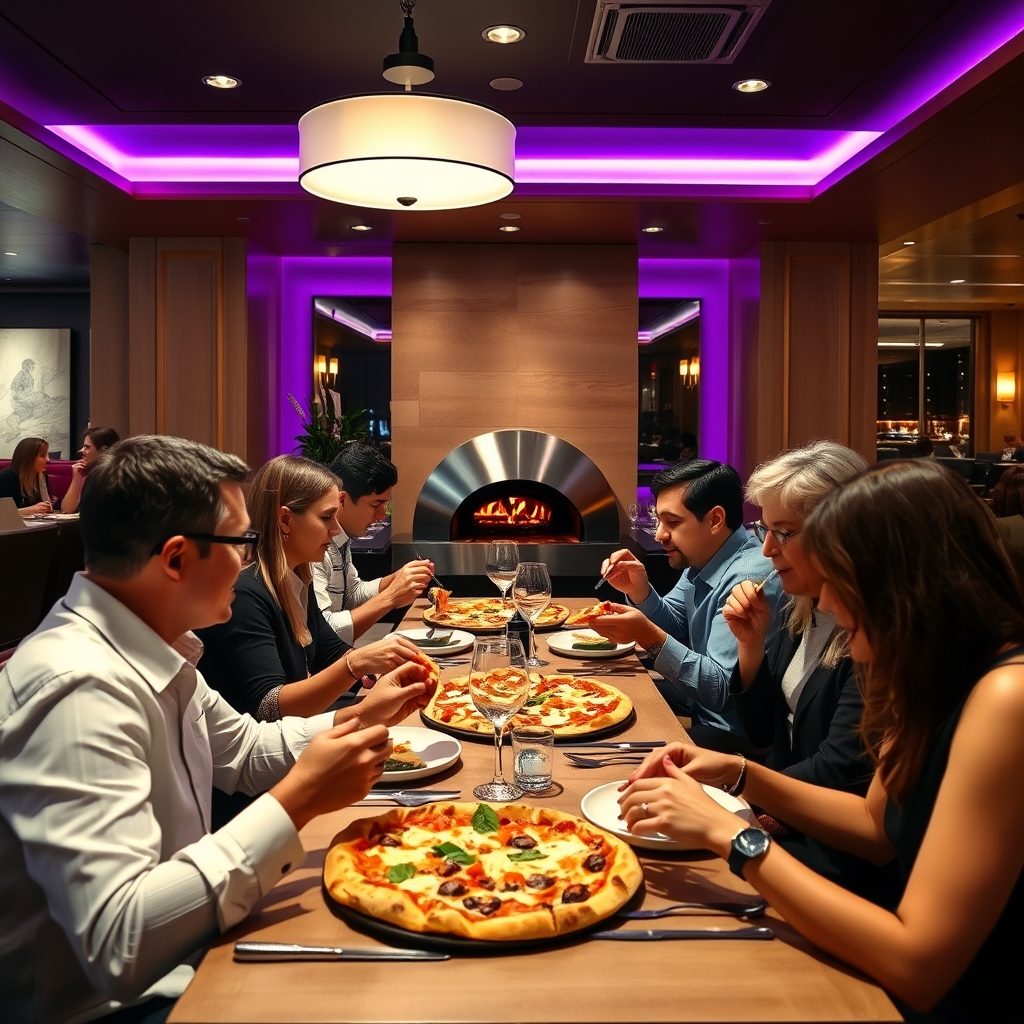
How to taste like someone who knows
When you are ready to try a new pizzeria, give yourself time to really taste what you are eating. Here is how.
Before you take the first bite, look and smell
Is the crust speckled with brown and char? Does it release a warm, yeasty smell? These are signs the kitchen has done the foundational work. A pizza that looks pale and smells mostly of salt is probably dough that did not get enough time.
Taste the crust first, before the toppings
Pull off a bite from the edge, away from sauce and cheese, and chew it slowly. You will taste how long the dough fermented, how well the oven was balanced, and how much care went into the recipe. The crust is the foundation — if it tastes good alone, everything else becomes a detail.
Wait a few minutes before judging the temperature
Pizza fresh from the oven is so hot the salt and acid flatten out on your tongue. After a few minutes, as it cools slightly, the flavors separate and become clearer. The best pizza tastes better as it cools, not worse.
Ask questions about the dough and the oven
A pizzeria that is proud of what it does will answer. How long does the dough ferment? What kind of oven do they use? Is the flour they use local? The answers tell you whether they are thinking about the craft or just moving pies.