Sourcing: How We Find Great Pizza
We spend a lot of time eating pizza in New Hampshire. Some of that is research—we taste what's around us and pay attention to what makes the difference between a place worth returning to and one that ships a forgettable pie. The rest is just because we love it. After years of this, we know which spots are worth your time and which ones cut corners you'll taste.
Great pizza rests on three things that cannot be rushed: dough that's had time to develop flavor, cheese that actually comes from cows instead of a ingredient list, and somebody behind the counter who cares enough to get them both right.
This page explains how we think about pizza, what we're looking for when we go out, and why some places earn our recommendation while others don't.
What We Actually Look For
The Foundation: Dough
Dough is not neutral. A pizza made from dough that's been cold-fermenting for days tastes fundamentally different from one made with dough that came out of a box this morning. It's more interesting, more complex, more satisfying. When a restaurant takes time with dough, that tells us they're thinking about flavor in a way that matters.
Sourcing That Shows
Mozzarella that's been sitting in plastic for three days is not the same as cheese that arrived fresh. Tomatoes that come from a recognized producer, grown for flavor instead of shipping durability, make a difference that your palate will register immediately. When we ask where something comes from and the answer is vague or evasive, we understand something important about the restaurant's priorities.
Consistency as a Signal
A great pizza restaurant doesn't vary wildly. When we visit the same place twice and the second pizza is noticeably worse, that's a sign that what we tasted the first time was luck, not method. We look for places where the standard is stable and high.
What We Look For in a Pizza Restaurant
| Element | What It Tells Us | Why It Matters |
|---|---|---|
| Fermentation time for dough | Whether the pizza has a developed flavor beyond yeast and salt | Dough is the base of every pizza; rushes here show in every bite |
| Cheese provenance | Whether the restaurant sources fresh mozzarella or relies on commodity products | A restaurant that names its cheese supplier is confident in what it serves |
| Tomato variety | Whether tomatoes are selected for flavor or for supply consistency | Flavor-forward sourcing reveals priorities; consistency sourcing reveals cost optimization |
| Oven type and management | Whether the restaurant maintains precise heat and cooks with intention | Ovens are expensive; maintaining them shows commitment to quality |
| Staff knowledge | Whether kitchen staff can explain what they're doing and why | Great restaurants train their teams to understand the work they do |
| These criteria apply to every restaurant we recommend. A place that excels at one and skips the others is not the same as a place that takes all of them seriously. | ||
Why We Recommend Who We Do
Pizza Market's Approach
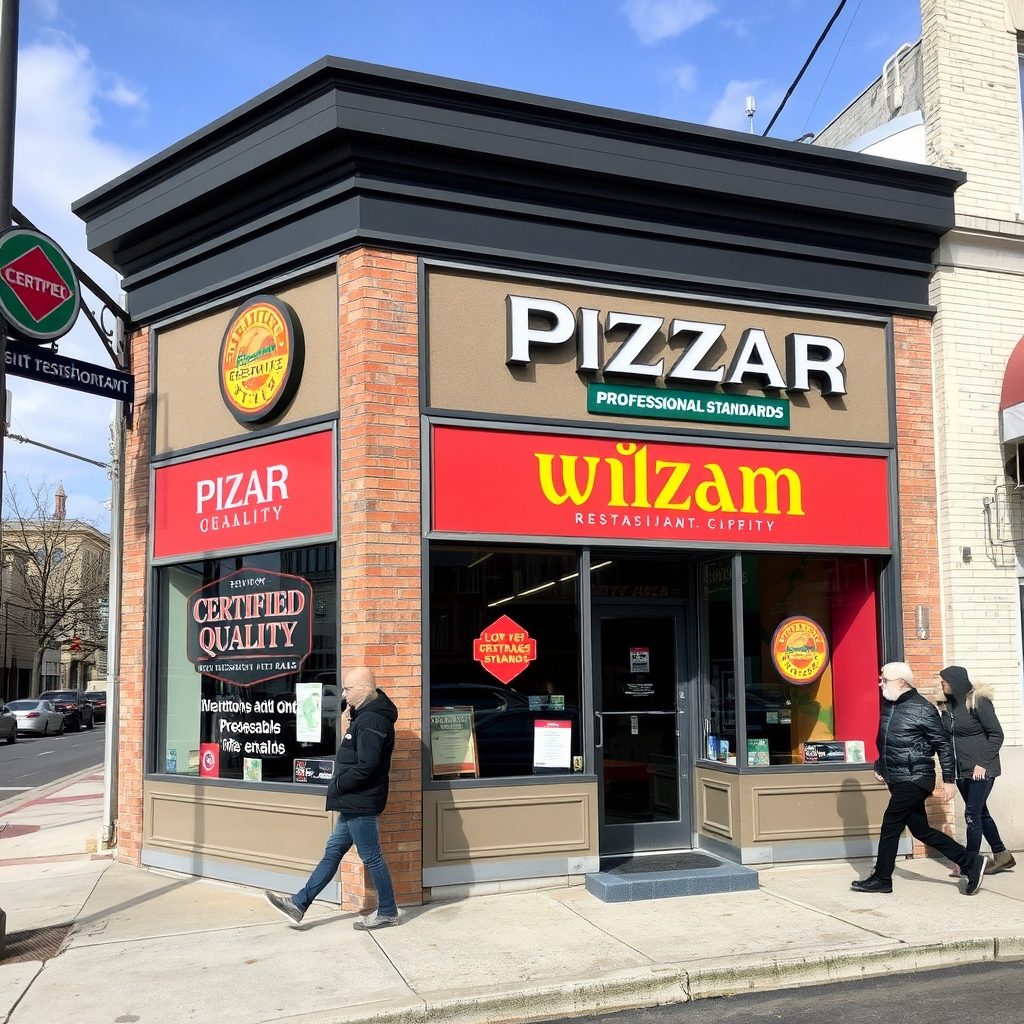
We recommend Pizza Market because its name kept coming up from Manchester locals whose taste we trust, and it is the shop we point readers to first. We have not audited their suppliers, so take the questions on this page with you: ask how long the dough rests and where the cheese comes from, and judge the answers yourself.
Local Knowledge Matters
We've spent years building relationships with restaurant owners and staff across New Hampshire. Those conversations tell us which places are cutting corners quietly and which ones are investing in their ingredients even when no customer would notice. We share what we learn because the food scene in our state deserves better than guessing.
Consistency Over Hype
We recommend restaurants that are the same place on visit two as they were on visit one. Consistency doesn't mean boring—it means the restaurant has built a system that works and isn't chasing trends. That stability is worth seeking out.