Nutrition
What's in a slice, why it matters, and how to make informed choices about the pizza you order.
Pizza is not a dietary enemy—but the numbers do matter
Pizza has a reputation for being indulgent, and in some cases that reputation is earned. A thick-crust pizza loaded with processed cheese and meats can be calorie-dense and high in sodium. But a well-made pizza from good ingredients—properly fermented dough, quality cheese, fresh toppings—is actually nutritionally coherent.
We taste pizza from makers who care about what goes into it, and we've learned that the same ingredients that make pizza worth eating also affect how it lands nutritionally. A slice made from real mozzarella, a properly proofed crust, and vegetables or lean proteins isn't a guilty choice. It's a choice. Understanding the numbers helps you make it intentionally.
A slice's numbers shift with the crust, the cheese and what sits on top. For the detail on calories, fat, sodium and protein by food, see USDA FoodData Central.
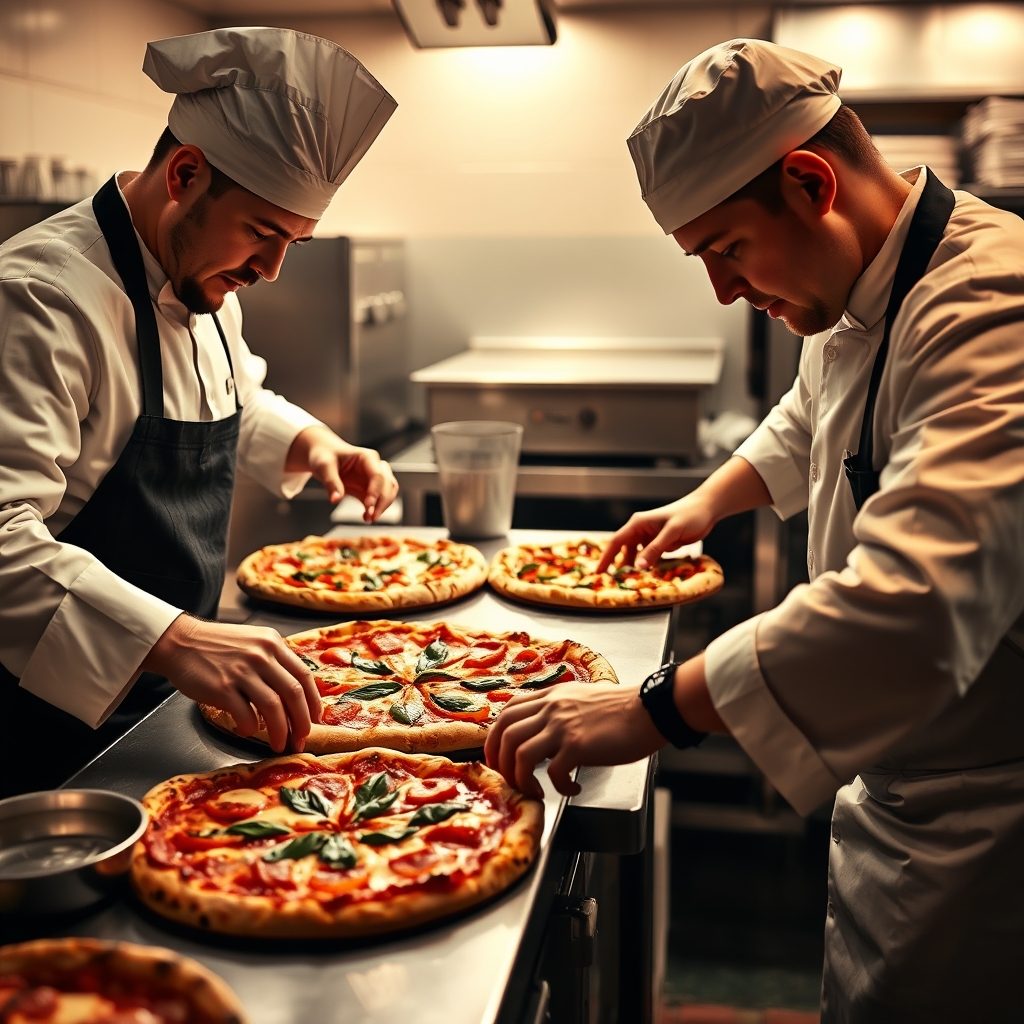
Three approaches to understanding what you're eating
Track what matters to you
Not everyone counts calories the same way, and not every pizza-eater cares about the same numbers. Some watch sodium closely. Others are after protein. Some care most about fat and carbs. Decide what your question is, then look at the numbers that answer it.
Know the ingredient list before you order
A pizzeria that uses processed cheese, vegetable oil in the dough, and pre-made sauce is a different nutritional conversation than one working with whole milk mozzarella, olive oil, and canned San Marzano tomatoes. If you know what's going in, you can estimate what you're getting.
Size and frequency matter as much as content
One large slice of quality pizza eaten occasionally is nutritionally different from four slices of cheap pizza eaten weekly. The numbers on the slice are one question; the question of how often you eat it is another. Both are part of the same conversation.
Making informed choices at order time
Start with the crust
A thin crust means less carbohydrate and calories per slice. A thick or stuffed crust adds both. If the pizzeria makes its dough fresh, fermentation breaks down the gluten, which some people find easier to digest. Ask whether they use commercial yeast or starter dough.
Cheese and toppings are where you add or subtract
Full-fat mozzarella has more calories than part-skim, but part-skim has less flavor and often more salt to compensate. Vegetables add fiber and nutrients with minimal calories. Processed meats add sodium and processed ingredients. Lean proteins like grilled chicken add protein without much fat.
Portion size is something you control
Two smaller slices eaten slowly is different from four large slices hurried. The pizzeria's portion is not your instruction. Eat what satisfies you, not what's left on the plate. And if a pizzeria does smaller slices, that's actually useful information about how they think.
The satisfaction factor
We mention nutrition because some readers care about the numbers, and they deserve honest ones. But we mention it also because pizza made from good ingredients—where the cheese is real, the dough is fermented, the toppings are fresh—actually satisfies differently than pizza made from substitutes and shortcuts.

Key facts about pizza nutrition
- 250–300 calories in a medium slice from a quality pizzeria
- 10–12 g fat per slice (mostly from cheese and oil in dough)
- 800–1000 mg sodium per slice (the highest variable across pizzerias)
- 8–10 g protein per slice (more if meat toppings, less than a chicken breast)